

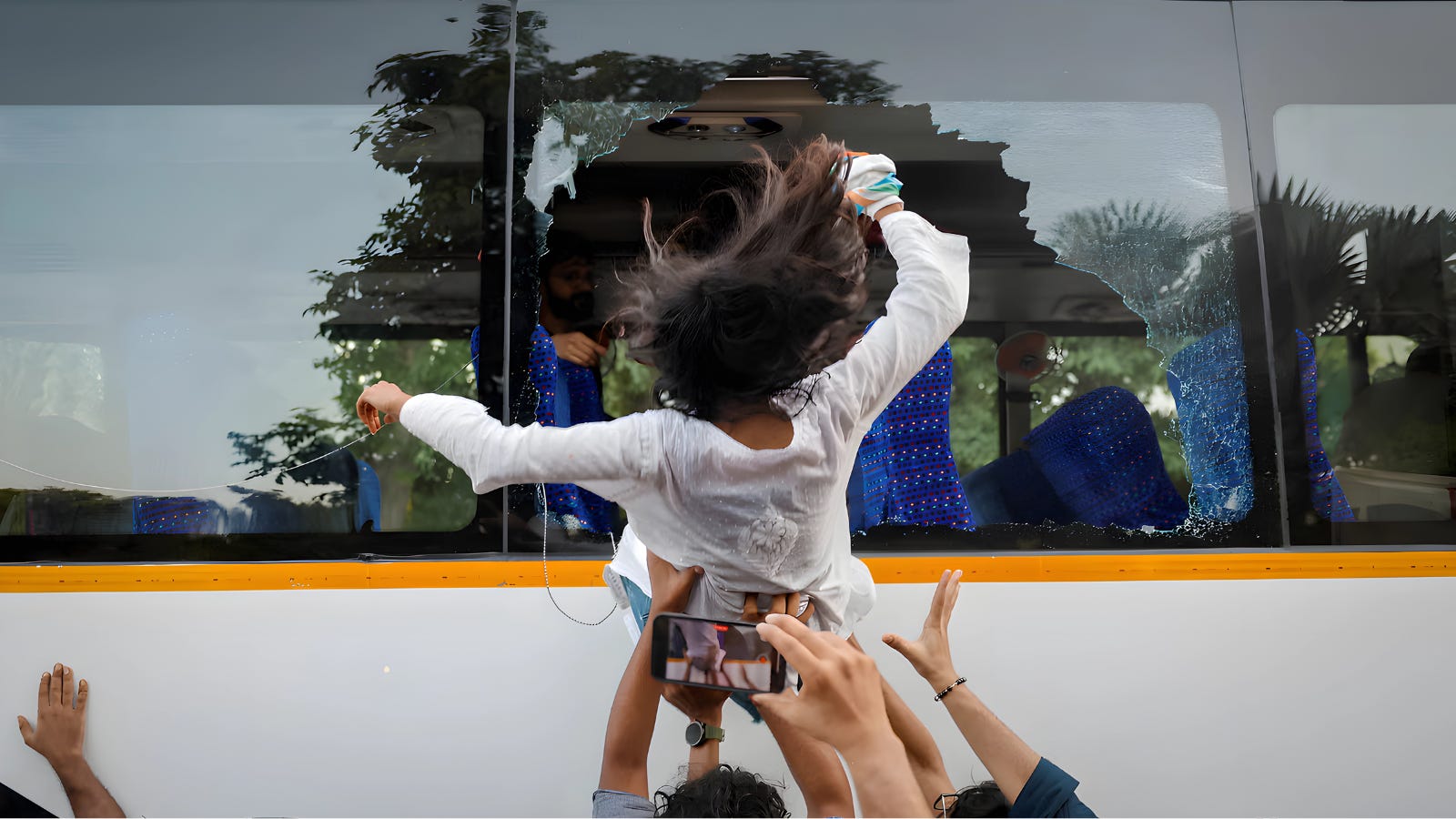
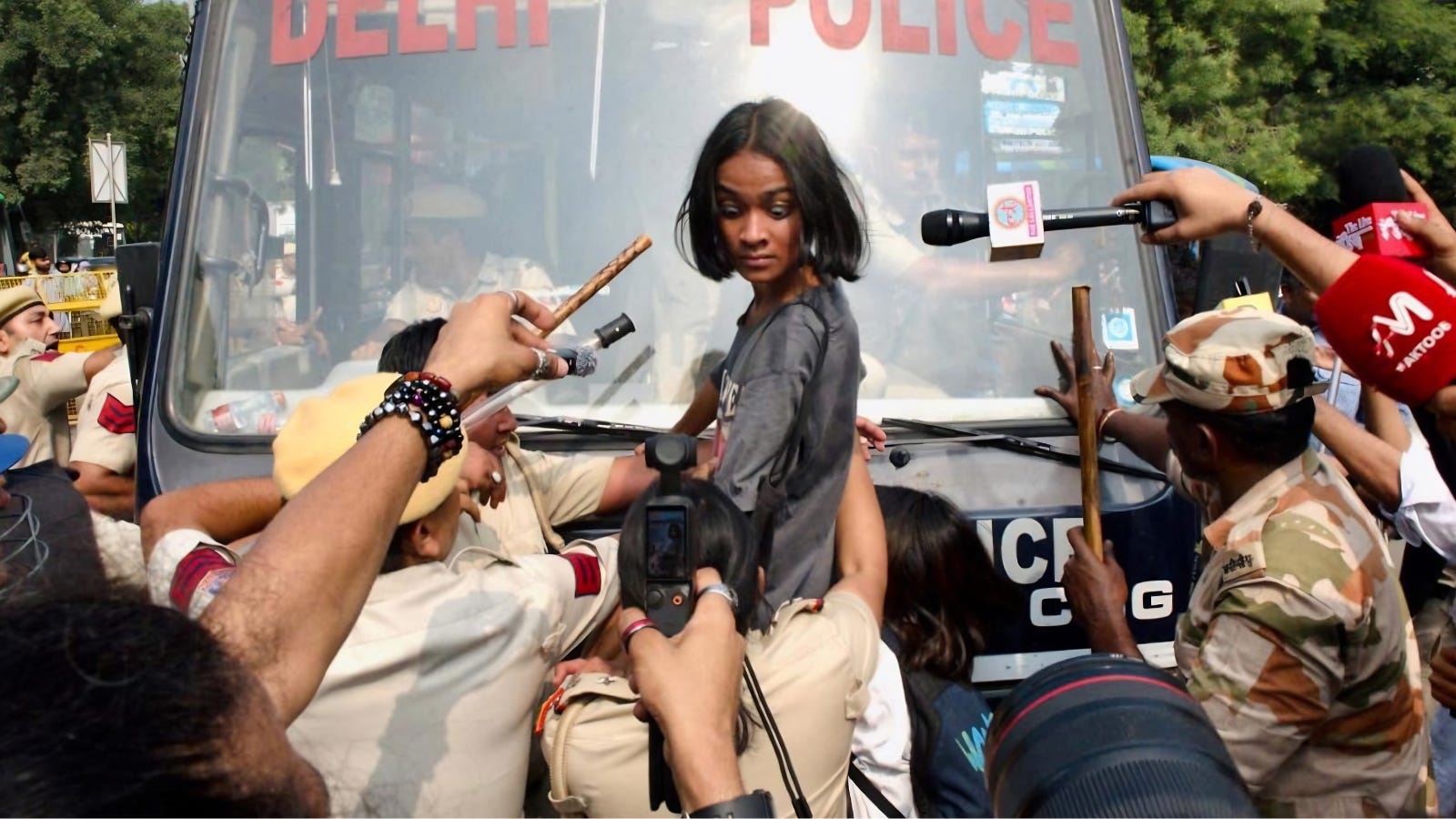
One particularly striking photograph emerged from a protest in Delhi on 4 October. It shows a young woman jumping out of a bus window to escape police detention. Remarkably, she isn’t even looking at the ground as she leaps. The photograph clearly shows that all the hands reaching up to catch her as she falls backwards belong to men. The sight brings a mixture of surprise, joy and hope. Because in the world we are accustomed to, so many men’s hands surrounding a woman usually suggest something ominous. But this photograph raises another question: what kind of trust gives a young woman the courage to take such a leap?
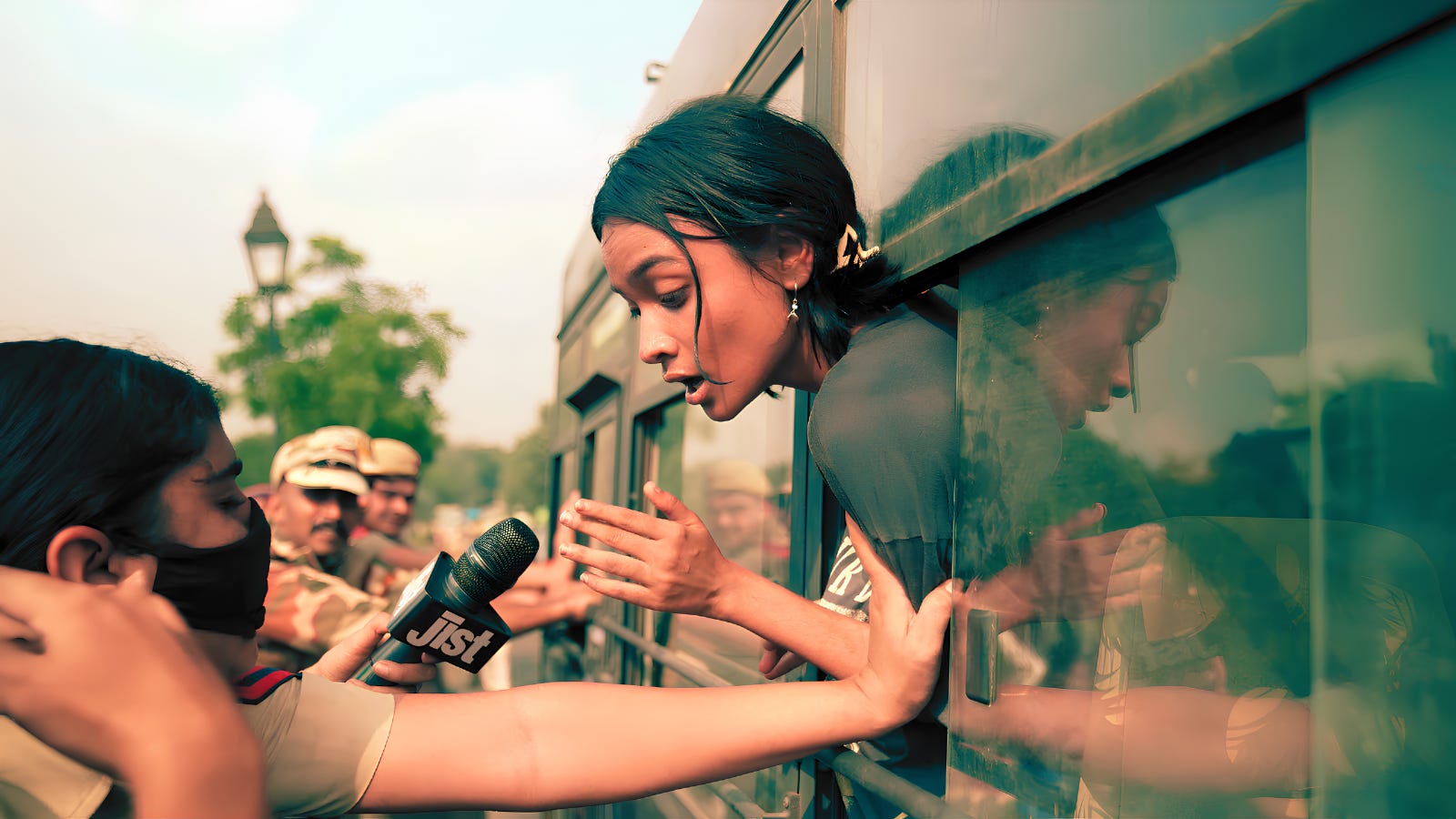
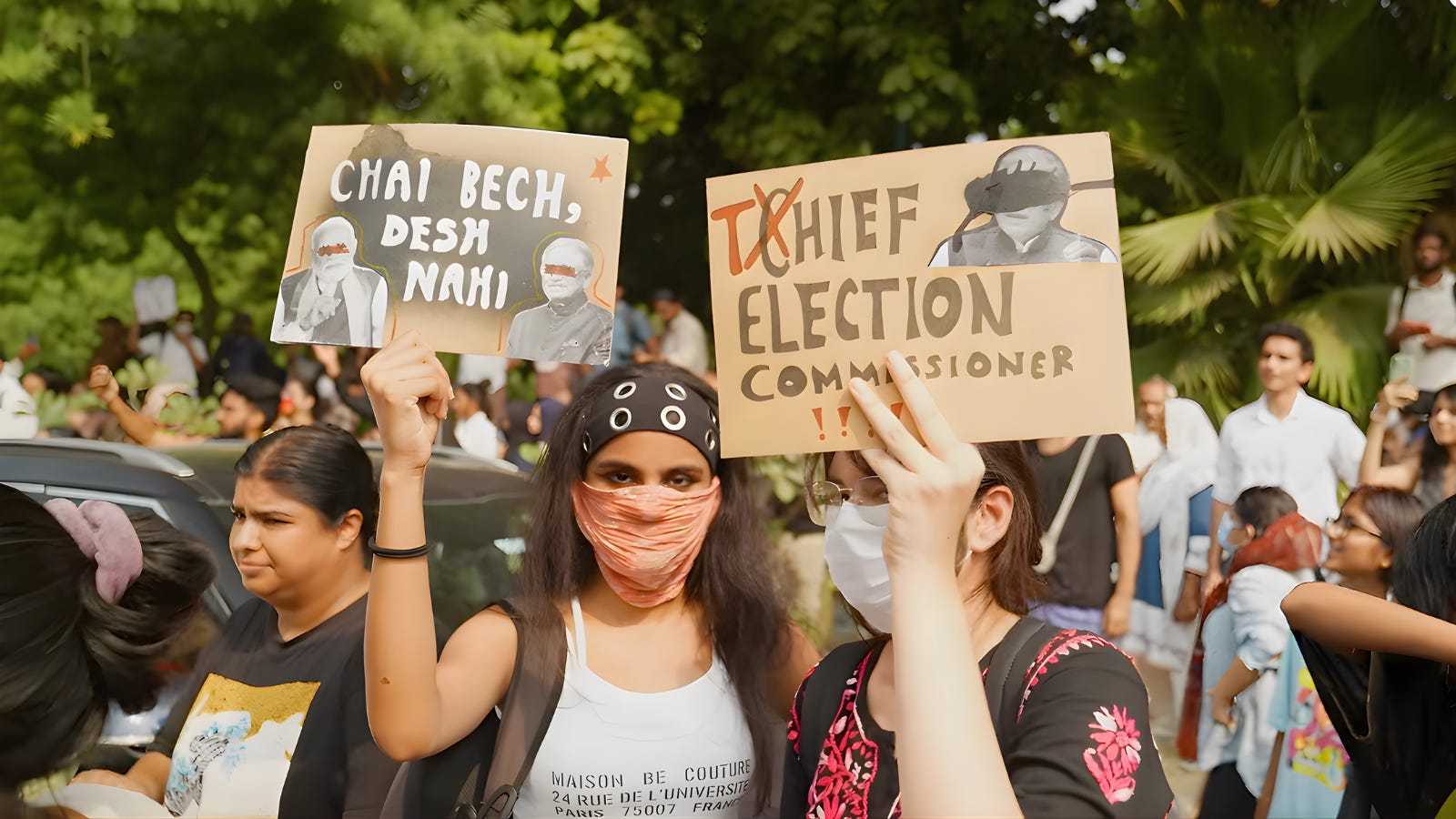
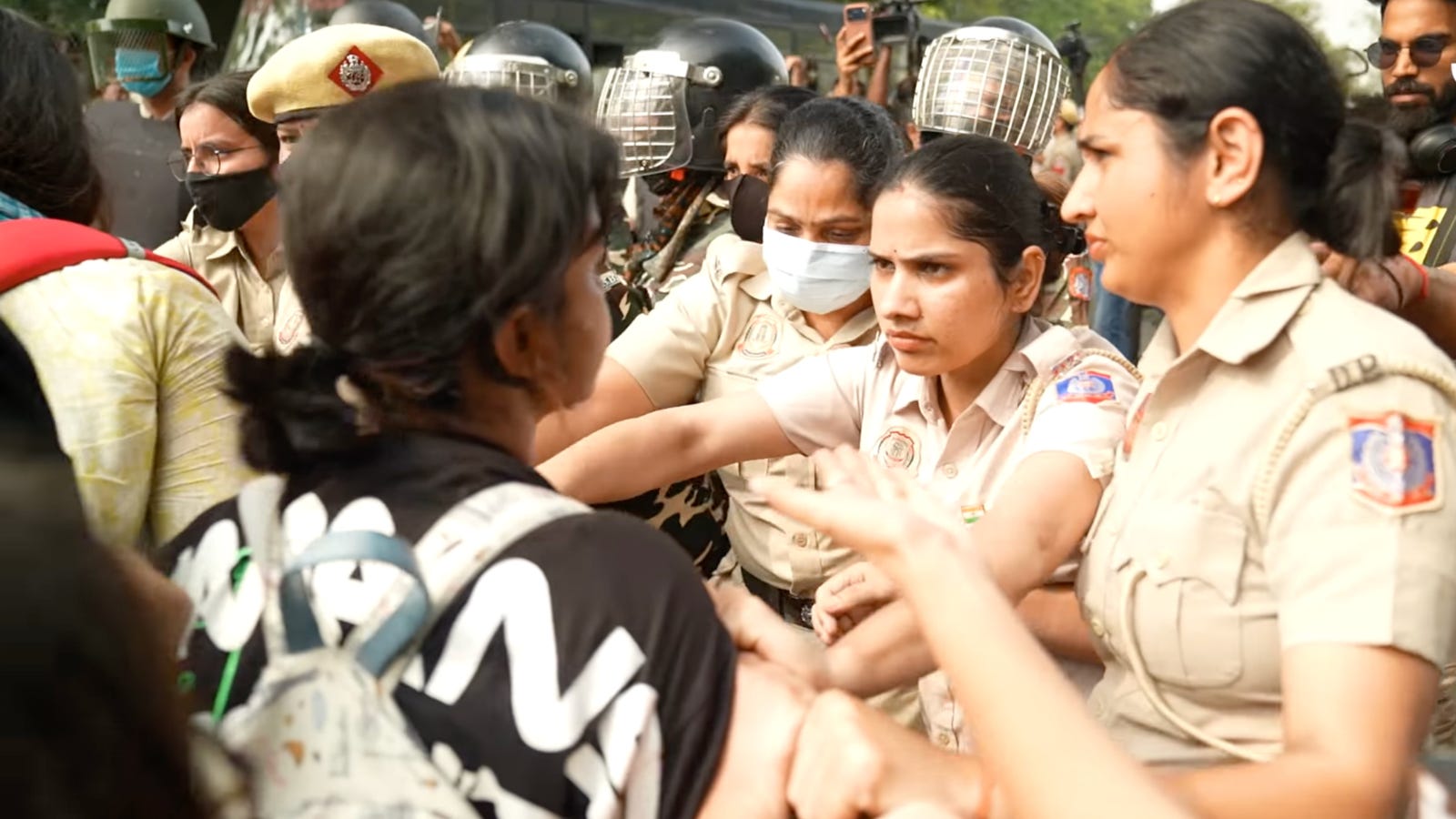
To understand this, we need to look closely at a few more photographs. In them, women are staging sit-ins on roads, blocking traffic, climbing police barricades, being detained, returning again and again, and chanting slogans with clenched fists raised in the air. In the process, their clothes get torn, their hair comes loose, their sandals go missing, and photographs capture them in poses that could hardly be called ‘ladylike‘. Pictures like these of men have been a familiar sight at almost every protest. But women appearing in them in such large numbers is a relatively recent phenomenon.

About Us | WhatsApp | Subscribe to entire Satyagrah Network
From childhood, women are taught how they should look, sit, walk and laugh in front of others—even how they should express anger or shed tears. Yet the women in these protests seem utterly unconcerned with such expectations. Their attention is not on looking beautiful or presentable in photographs and videos, but on what they are doing. This, too, is a kind of freedom that rarely gets talked about.
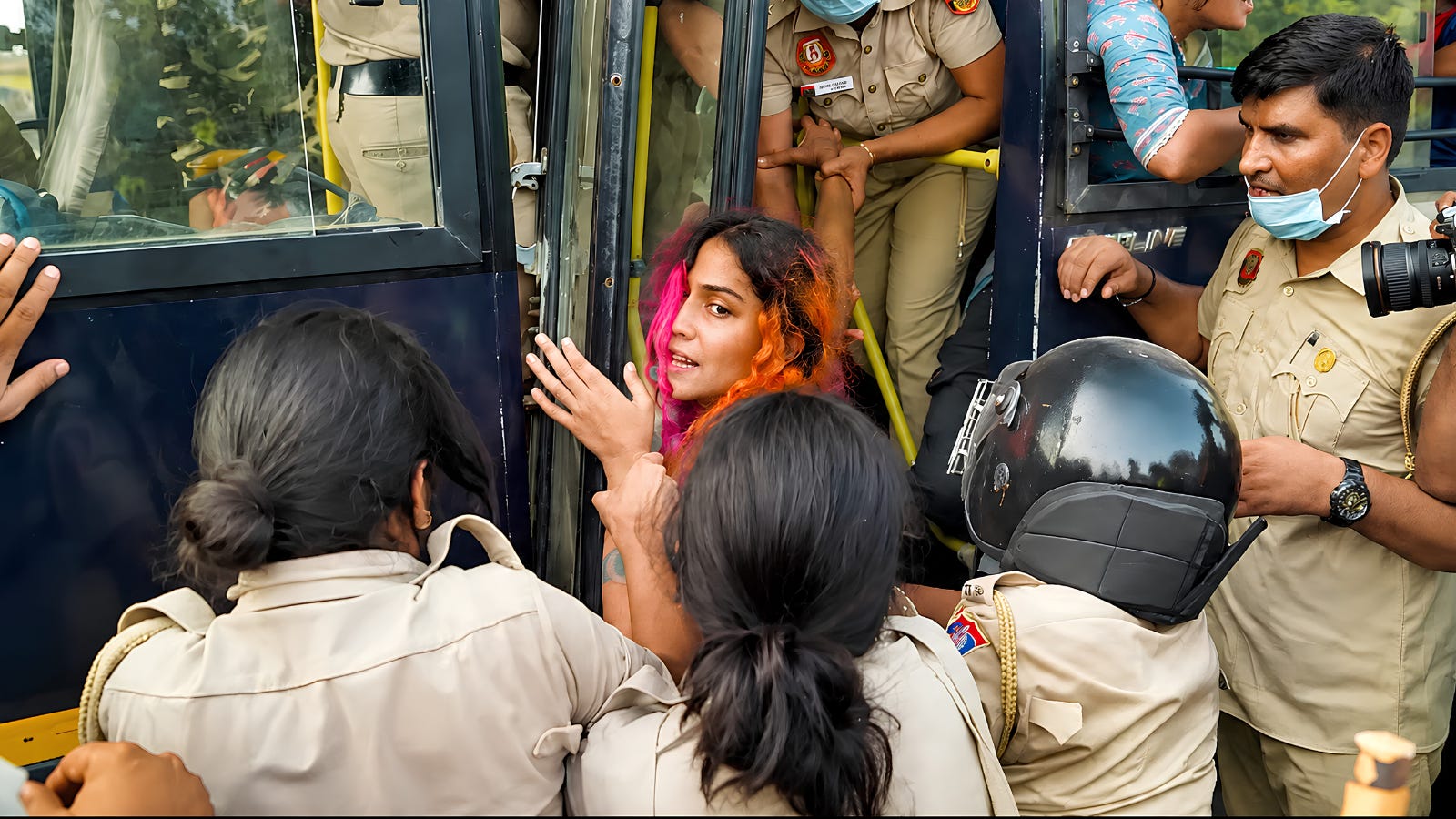
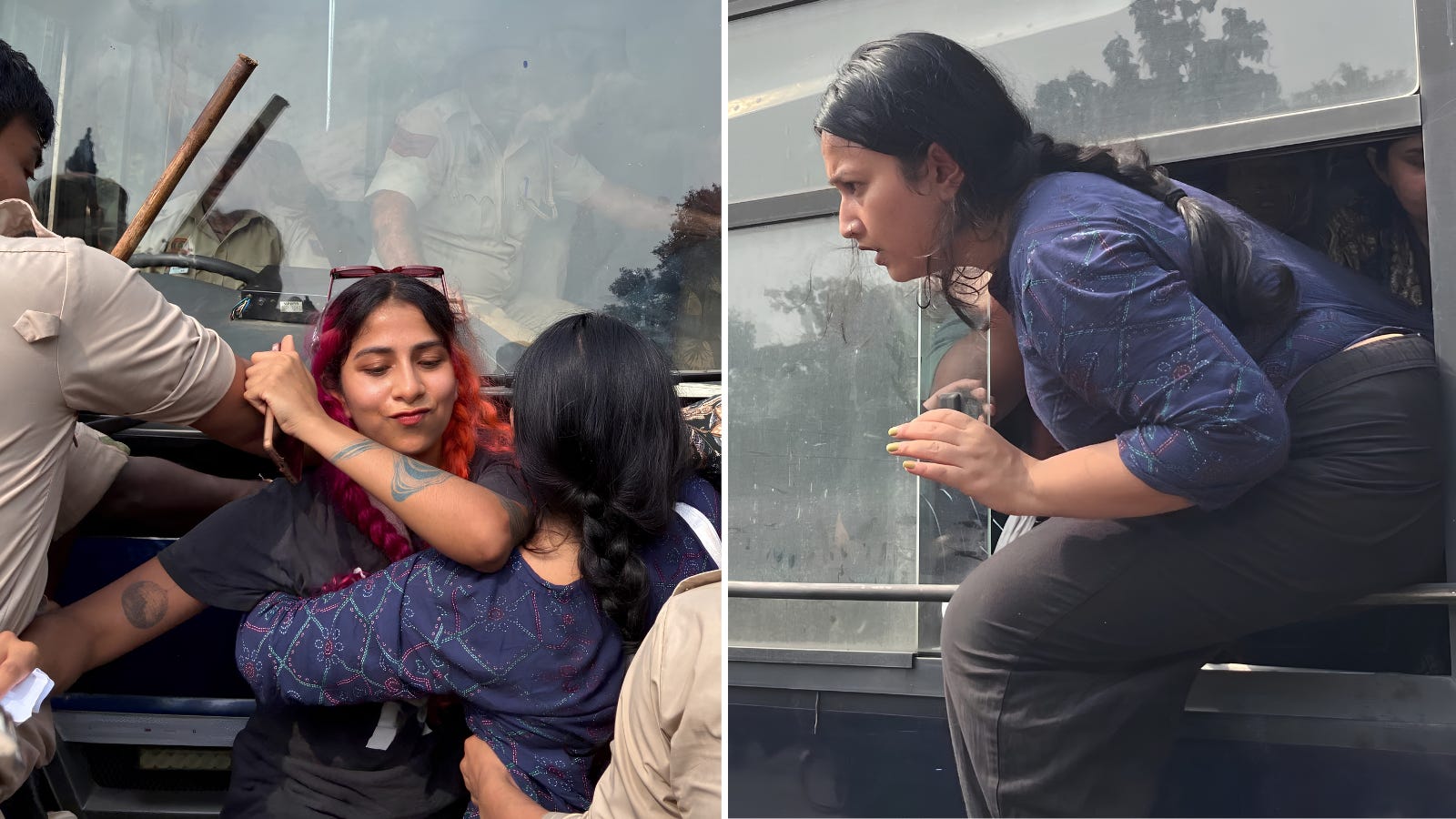
At first glance, this might seem like a sudden change. But look a little closer, and it becomes clear that the ground for it has been laid over several years. Indian women have fought major battles before, from the Chipko movement to the Narmada movement. But their active participation in a wide range of political protests in recent years has brought many new images before us.
When women gathered to protest at Shaheen Bagh in December 2019, hardly anyone could have imagined that their sit-in would last more than a hundred days. Had Covid not intervened, they might well have stayed for another hundred. These were Muslim women protesting against the Citizenship Amendment Act (CAA). Many of them, accustomed to running their households, were stepping out for the first time for a cause that was not directly about their homes, husbands or children. The protest showed that they could step outside as citizens in their own right and register their dissent on a political issue.
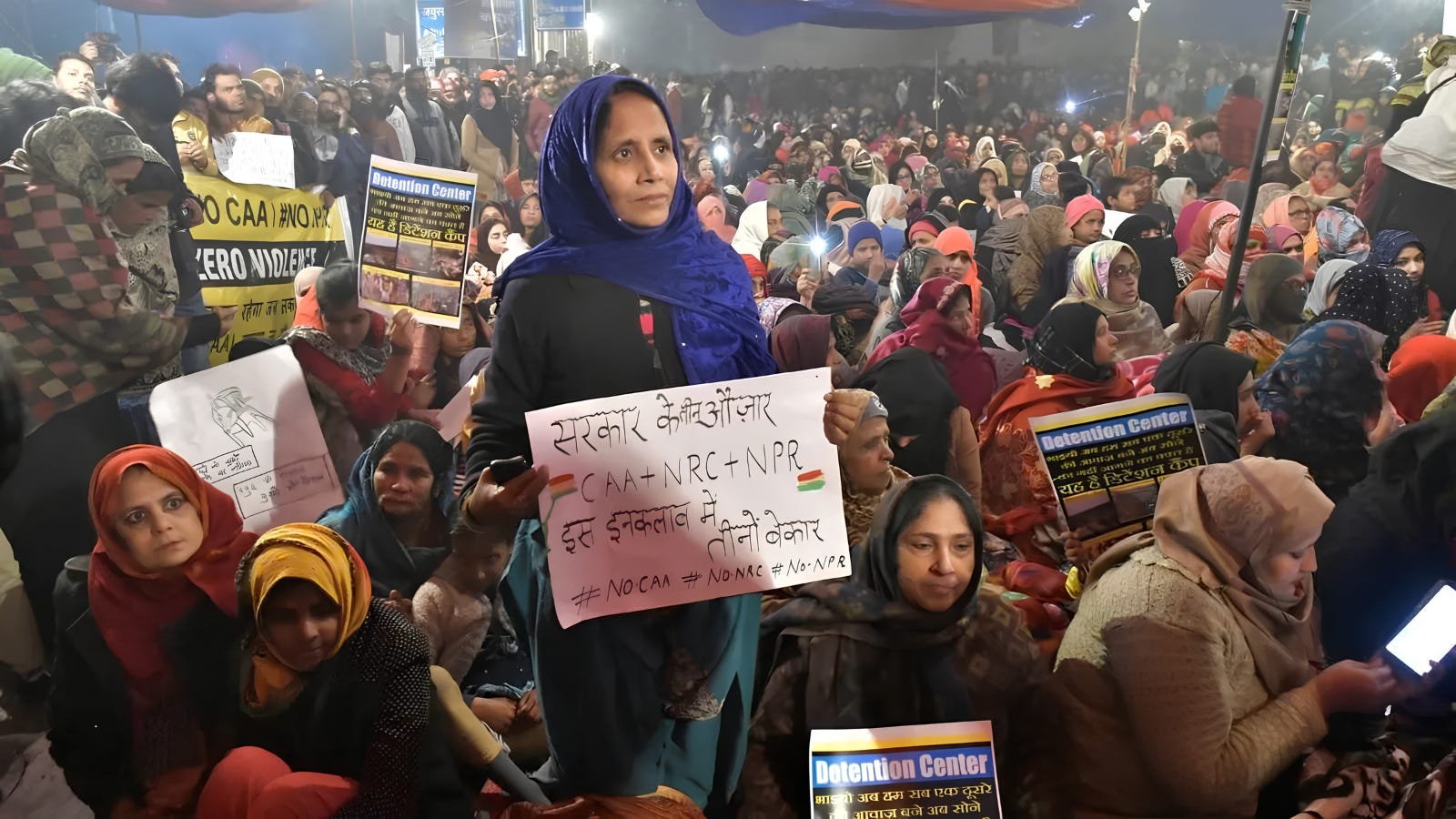
What was remarkable was the same care and competence with which they organised the protest as they had long managed their homes. Their sit-in continued through bitterly cold nights. Food was cooked, children studied, songs were sung and the Constitution was debated.
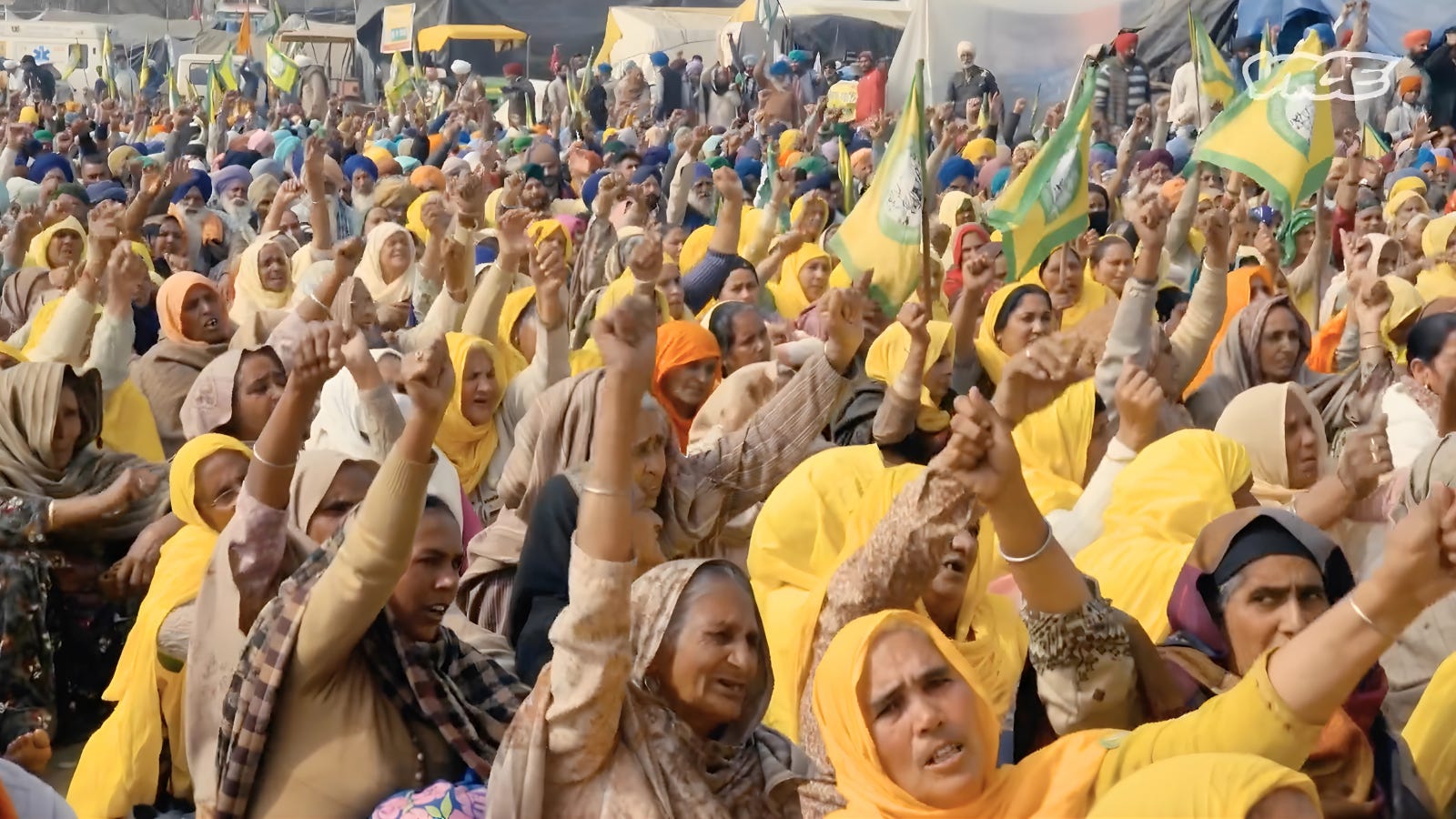
The women who joined the farmers’ protest carried this spirit of resistance forward. During the movement, which lasted more than a year, they travelled from villages in Punjab, Haryana and Uttar Pradesh and settled in for the long haul at Delhi’s borders. Much like Shaheen Bagh, the protest saw large numbers of older women, many with little or no formal education, who had never stepped out in this way before. They arrived on tractors, lived in tents and helped keep the movement going. In doing so, they inserted themselves, however modestly, into the familiar image of the Indian farmer—a man walking with a plough—that has long dominated the country’s collective imagination.
Looking at the protests that followed Shaheen Bagh and the farmers’ movement, three changes stand out. First, women have begun rejecting the idea that their bodies are something to be kept safe and protected above all else. They are no longer reluctant to enter places that involve discomfort or risk. Second, they have broken the unwritten limits on how long they can remain away from home. They can now stay at a protest for days or weeks, regardless of the hour. And the third change, perhaps the most important, is that their cause no longer has to be specifically a women’s issue. They can now speak out and fight over any question that matters to the country and society.
The women wrestlers’ protest, demonstrations on college campuses including Lady Shri Ram College, the Gen Z protestsand the Chita Andolan are all examples of these changes. The usual ifs and buts no longer seem capable of defining the boundaries of these women’s public lives.
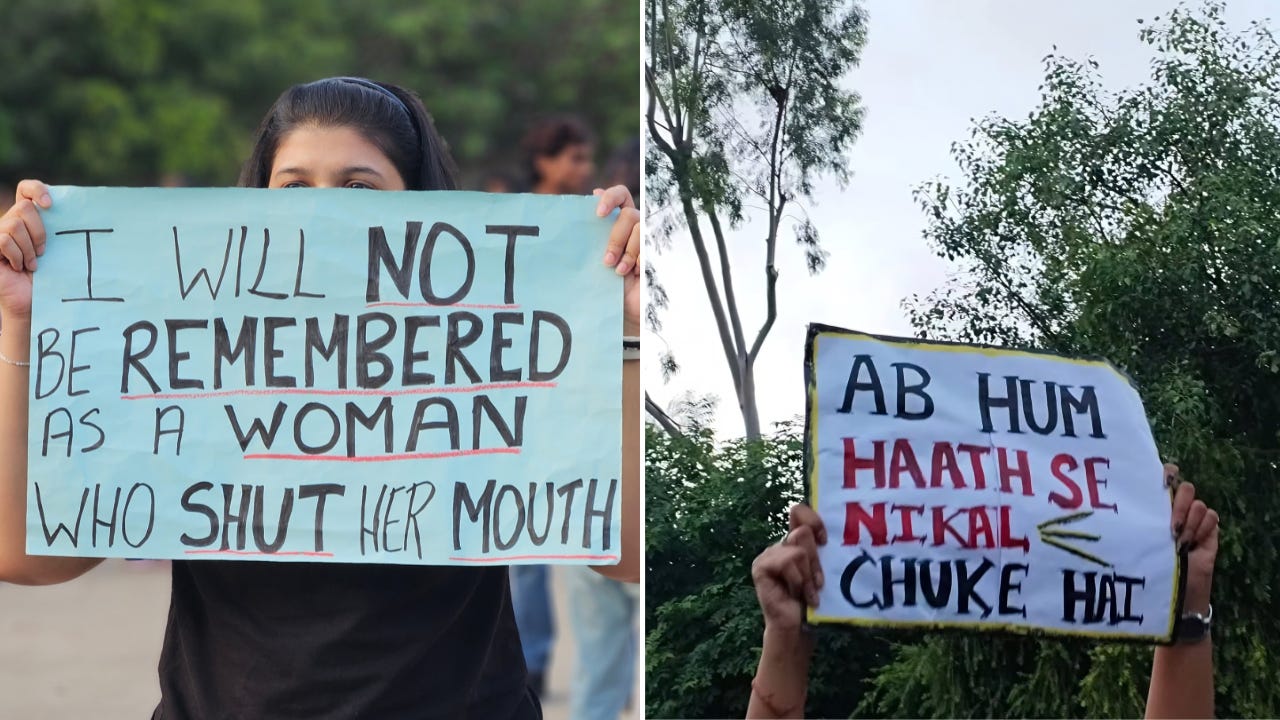
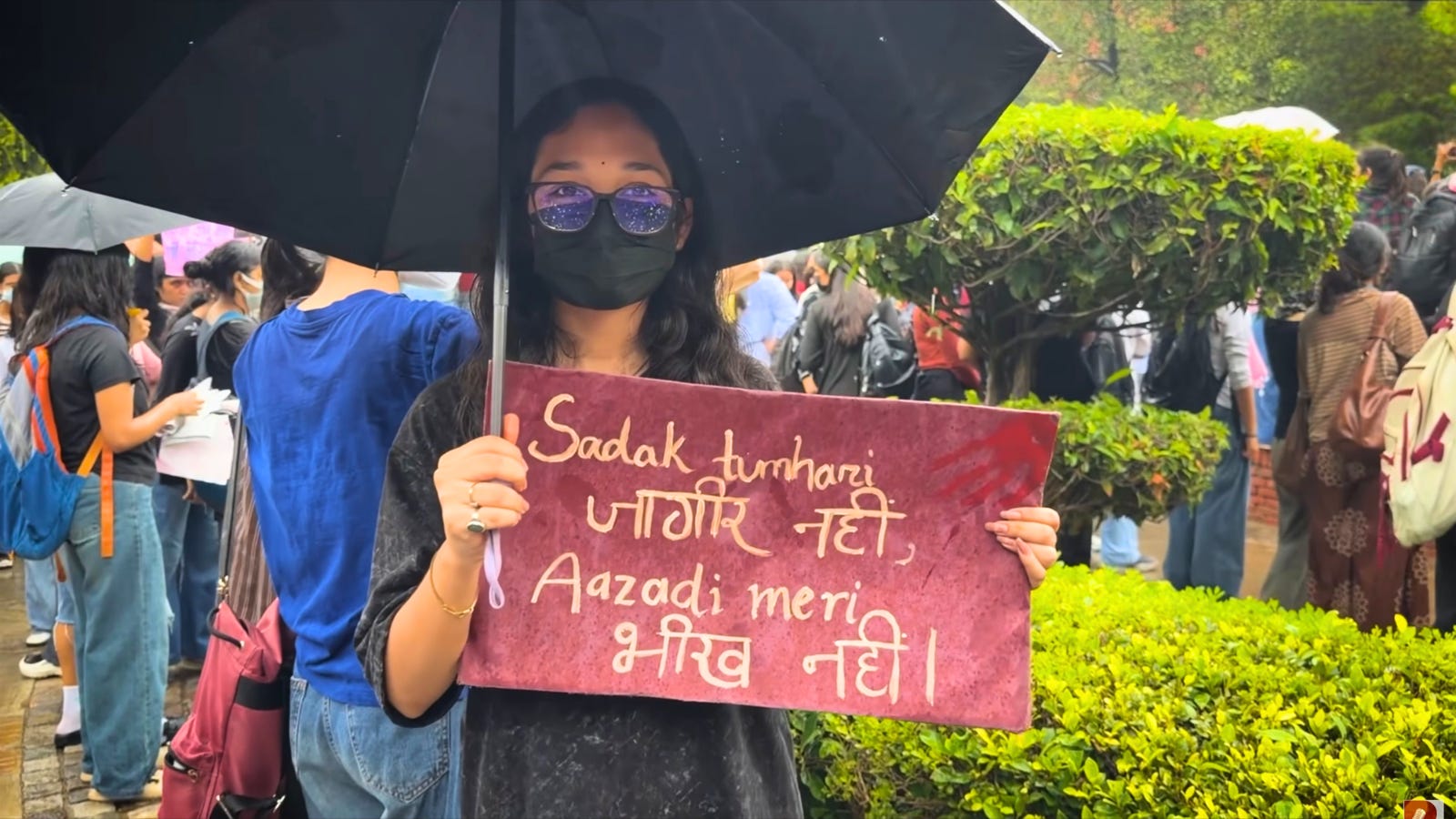
During this period, women have made the journey from ‘vulnerability’ to ‘agency’. The Gen Z protests also showed how women were not merely resisting authority but stepping forward to protect their male companions. In Mumbai, Riya Ahirstood in front of a police vehicle to help free detained protesters. In Delhi, young women put themselves between their friends and police batons, becoming their shields.
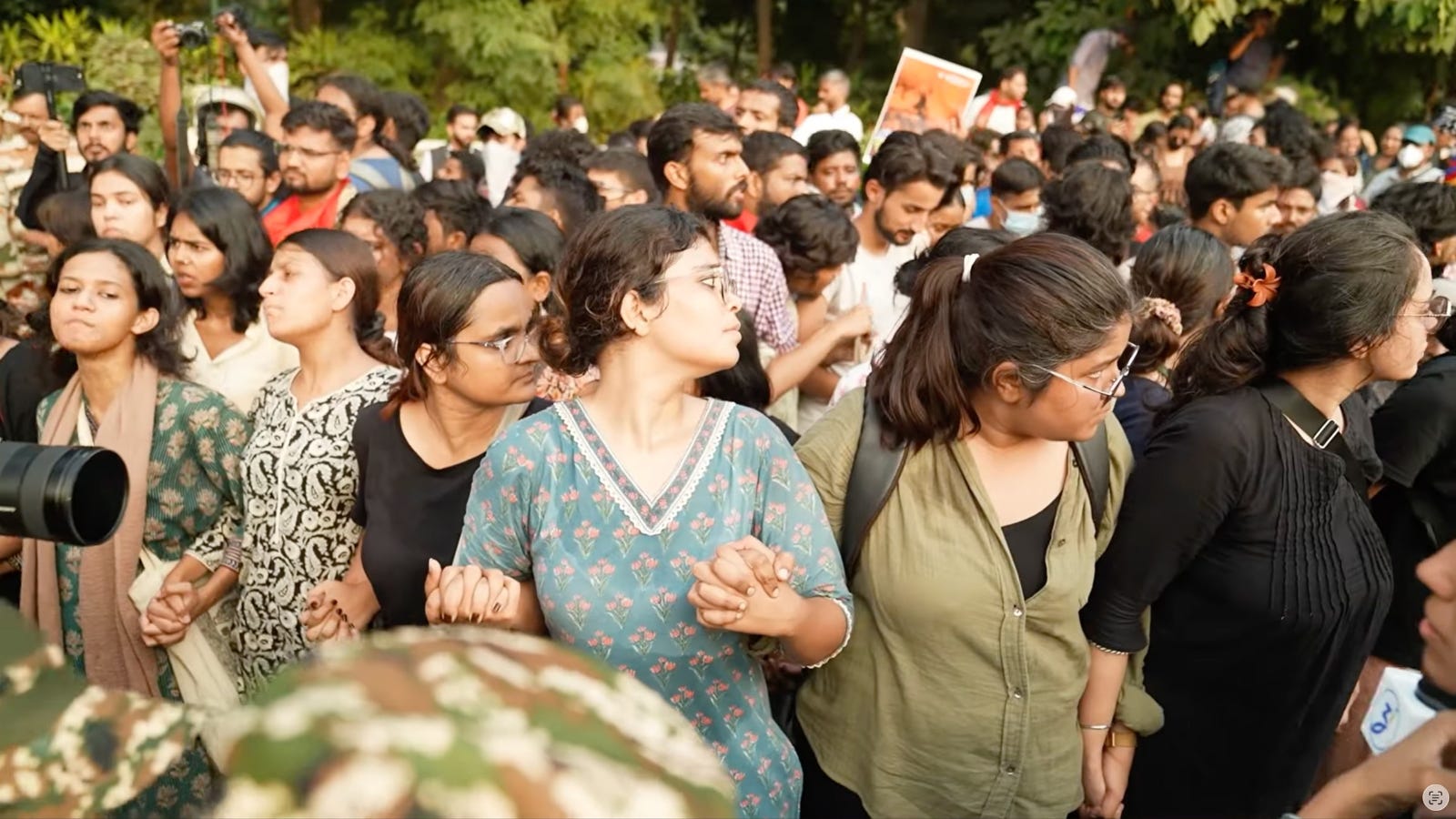
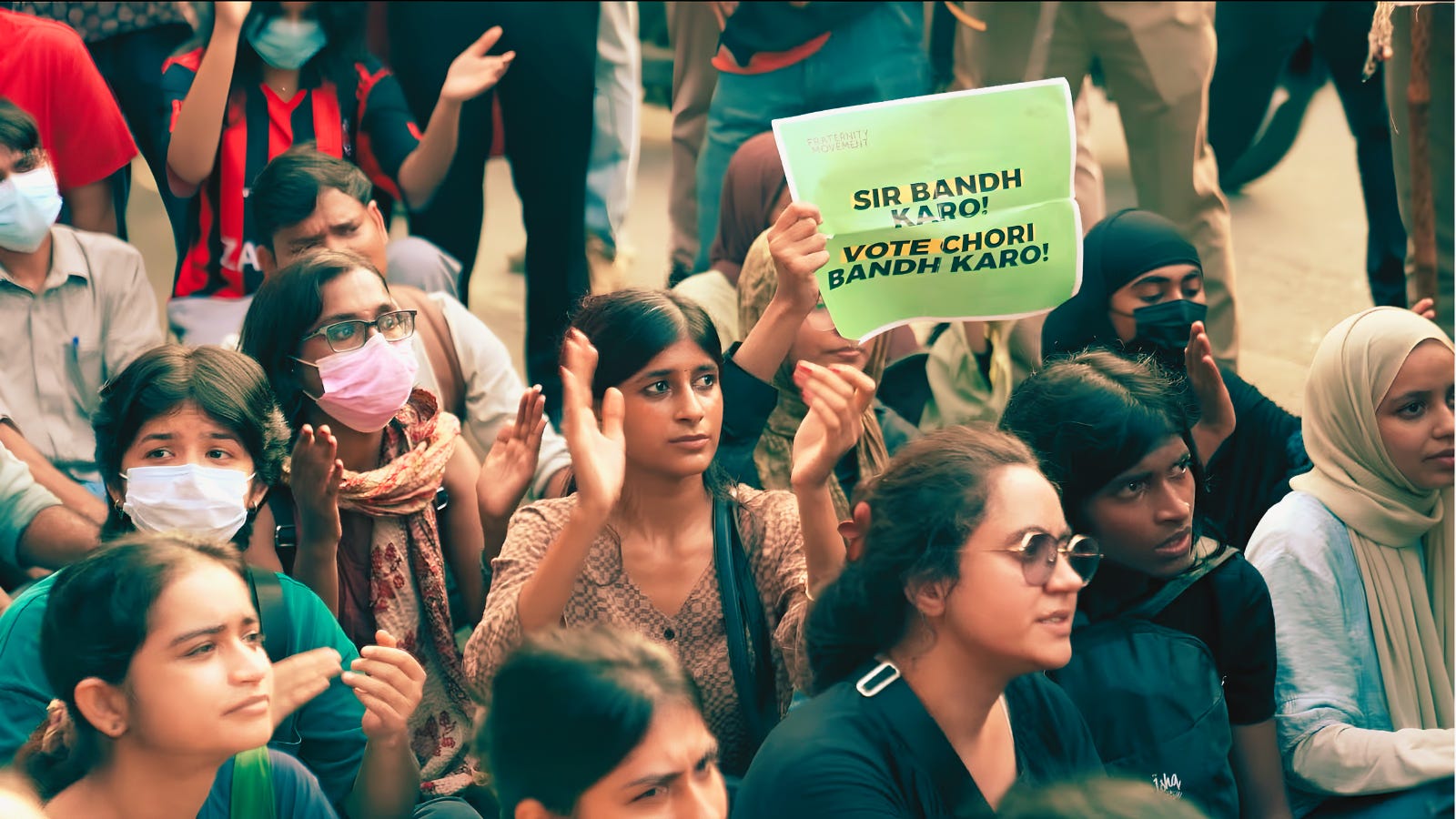
Such acts suggest that a new bond of trust is taking shape between women and men. One in which neither is always the protector nor always the protected. When the men needed help, the women stepped forward. And when a young woman leapt from a bus window, the men reached out to catch her.
But the trust these women find in one another is no less precious. They don’t just bring their own courage to these protests; they find new courage in each other’s company. When the police grab one, another rushes to free her. Let a policeman lay a hand on one of them, and the others snarl at him like lionesses. When one falls, another picks her up. When one begins a chant, the others become her voice. And then, together, they sit in protest through the night.
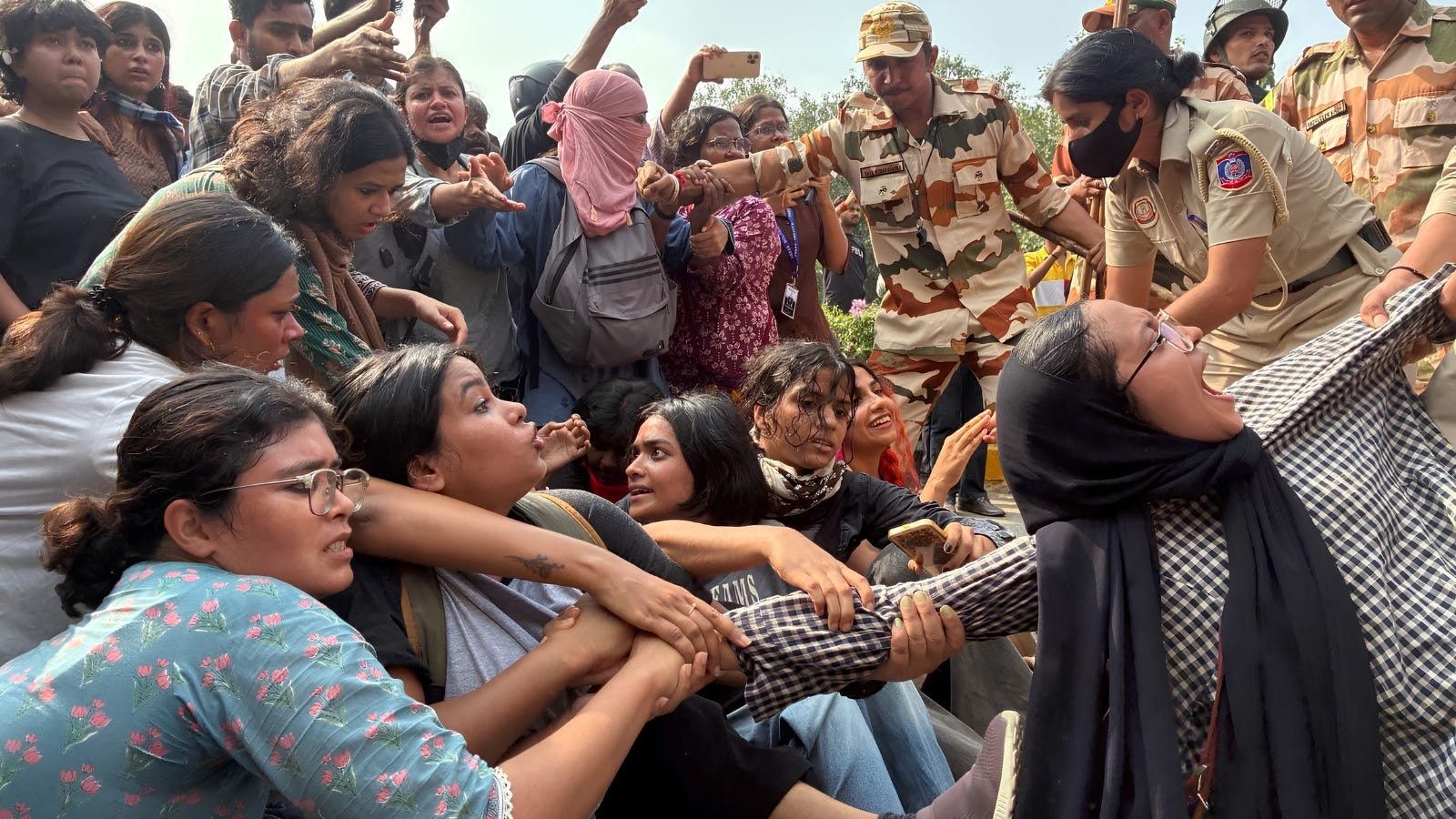
These women are no longer particularly concerned about pleasing those who expect traditional ‘modesty’ and ‘decorum’ from them. Instead, they are claiming the right to decide for themselves when to speak, whom to speak to and what tone to use. The many photographs of student leader Neha Bora suggest that she has thrown out the rulebook that requires women to look ‘ladylike’ and, whatever the circumstances, speak little, softly and sweetly.
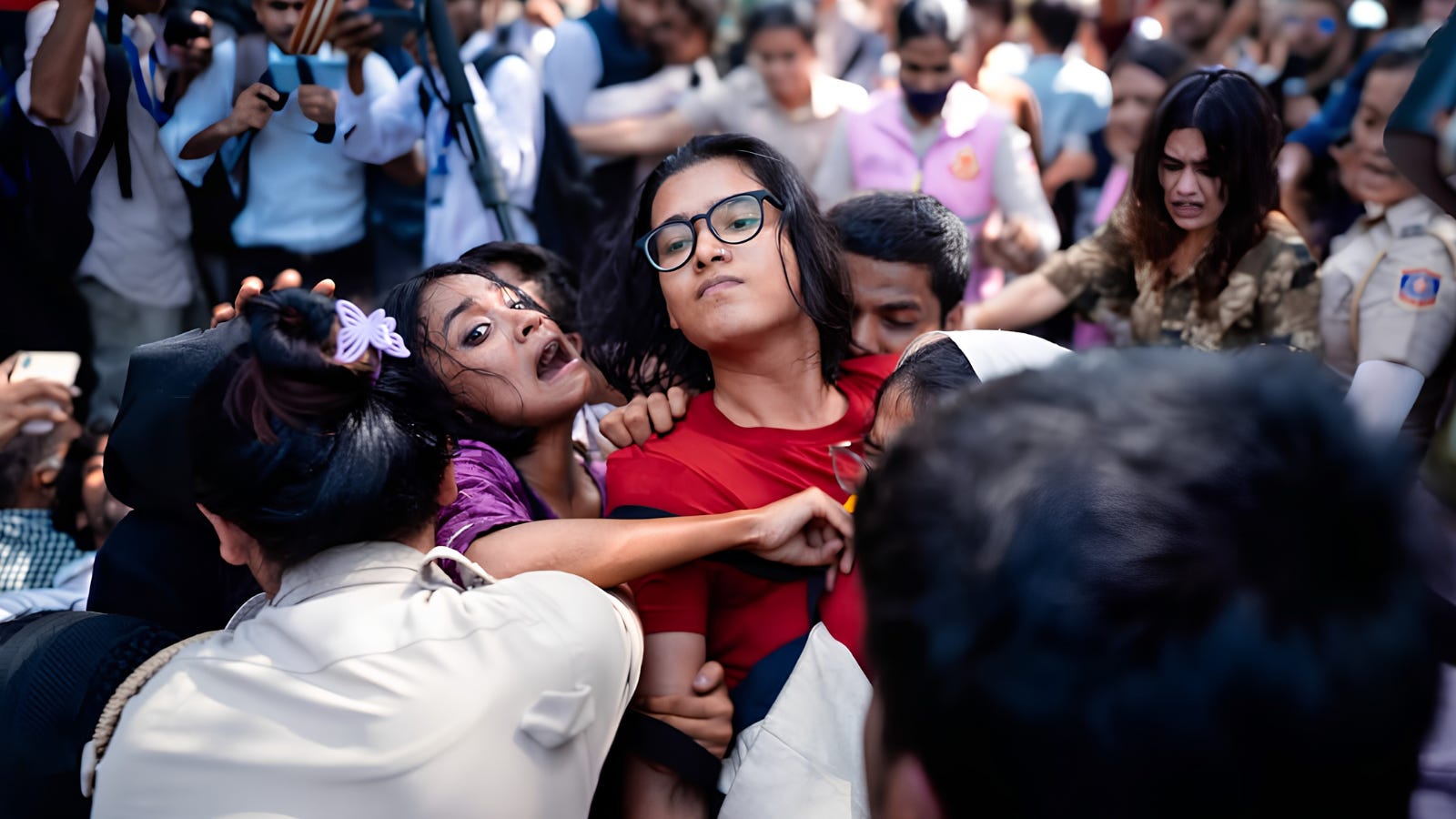
In other words, they are not merely claiming the freedom to protest. They are also choosing how to protest. It might be a reel built around the ‘Vaastegana Huiyaan?’ meme, a chant like ‘Ek kachori, do samosa, in mardon ka kya bharosa’, or a sharp, biting remark made in front of the media or the police.
Perhaps that is why the reactions to their protests are marked by a peculiar mix of discomfort and intensity. Prime Minister Narendra Modi’s remark about experiencing a ‘cultural shock’ on hearing the language used by the country’s ‘daughters’, attempts by government supporters to ‘dox’ some women protesters, and the online abuse and threats directed at them are all part of the backlash. Then there are the Delhi Police’s batons and allegations of sexual harassment against some of its personnel. The very idea of women protesting makes some people uncomfortable. And here they are, fearless and outspoken too. Women are expected to protest without offending anyone, to express anger while remaining pleasant. But the trouble is that these women now care more about how they see themselves than about how others see them.
The struggle is no longer merely about winning the freedom to come out onto the streets and make themselves heard. It is also about being recognised as citizens. The women in these photographs are not there as someone’s wife or daughter, as representatives of a family, or merely as victims complaining about a wrong done to them. They are citizens too, with just as much right as any man to question the government, the law and public institutions.
This declaration of freedom is both an achievement of these movements and a source of their strength. The women taking part are saying, loud and clear: when decisions are made, my voice will be heard too.
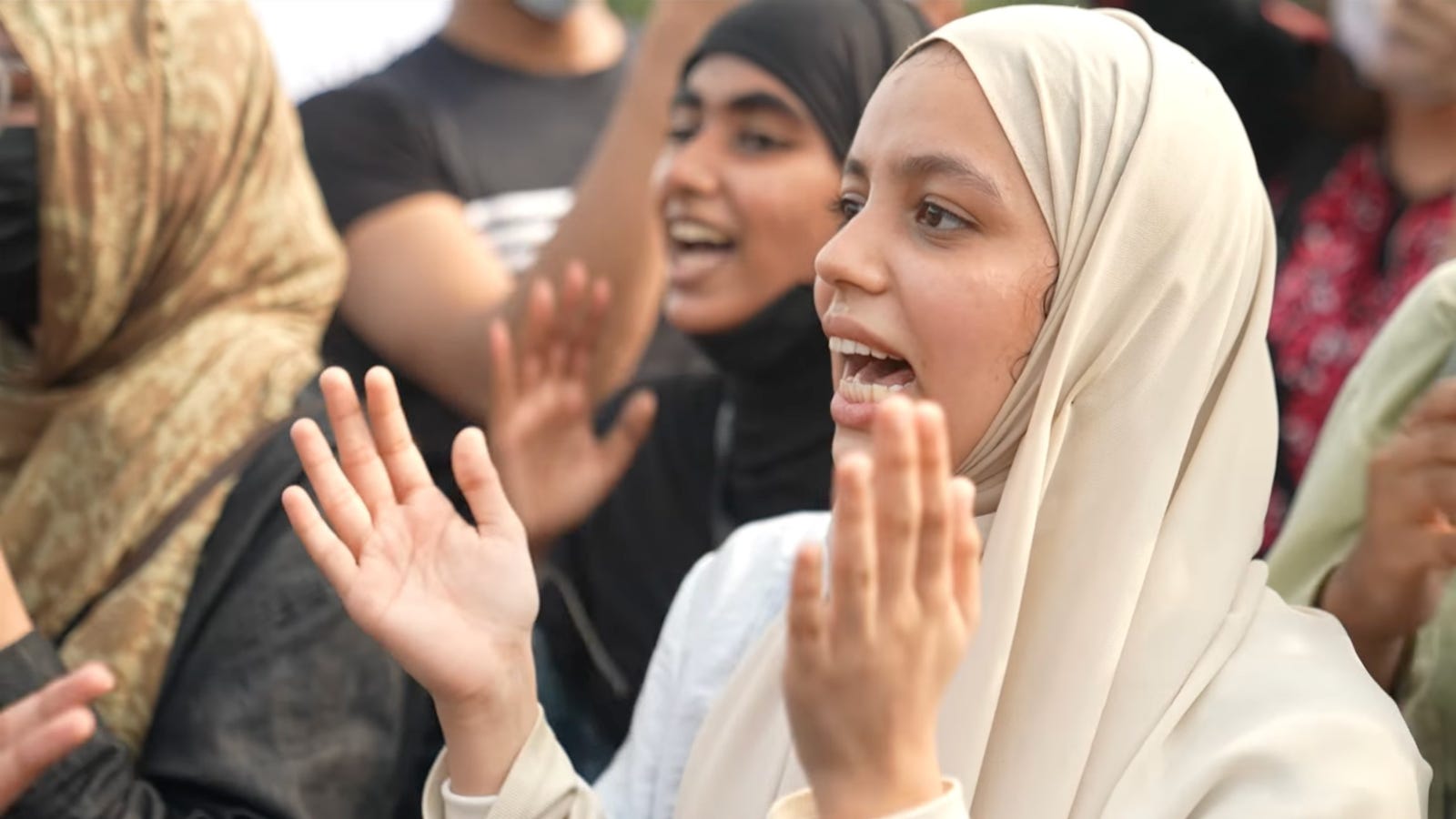
Freedom does not always arrive with a change in the law or someone granting permission. Sometimes it begins the day someone stops waiting for permission. Perhaps that is exactly what the women in these photographs are doing. They have not stopped fighting for freedom, but neither are they waiting for it to be handed to them.
They are no longer fighting just for freedom. They are fighting with it.
Subscribe to get updates, bookmark, or comment.